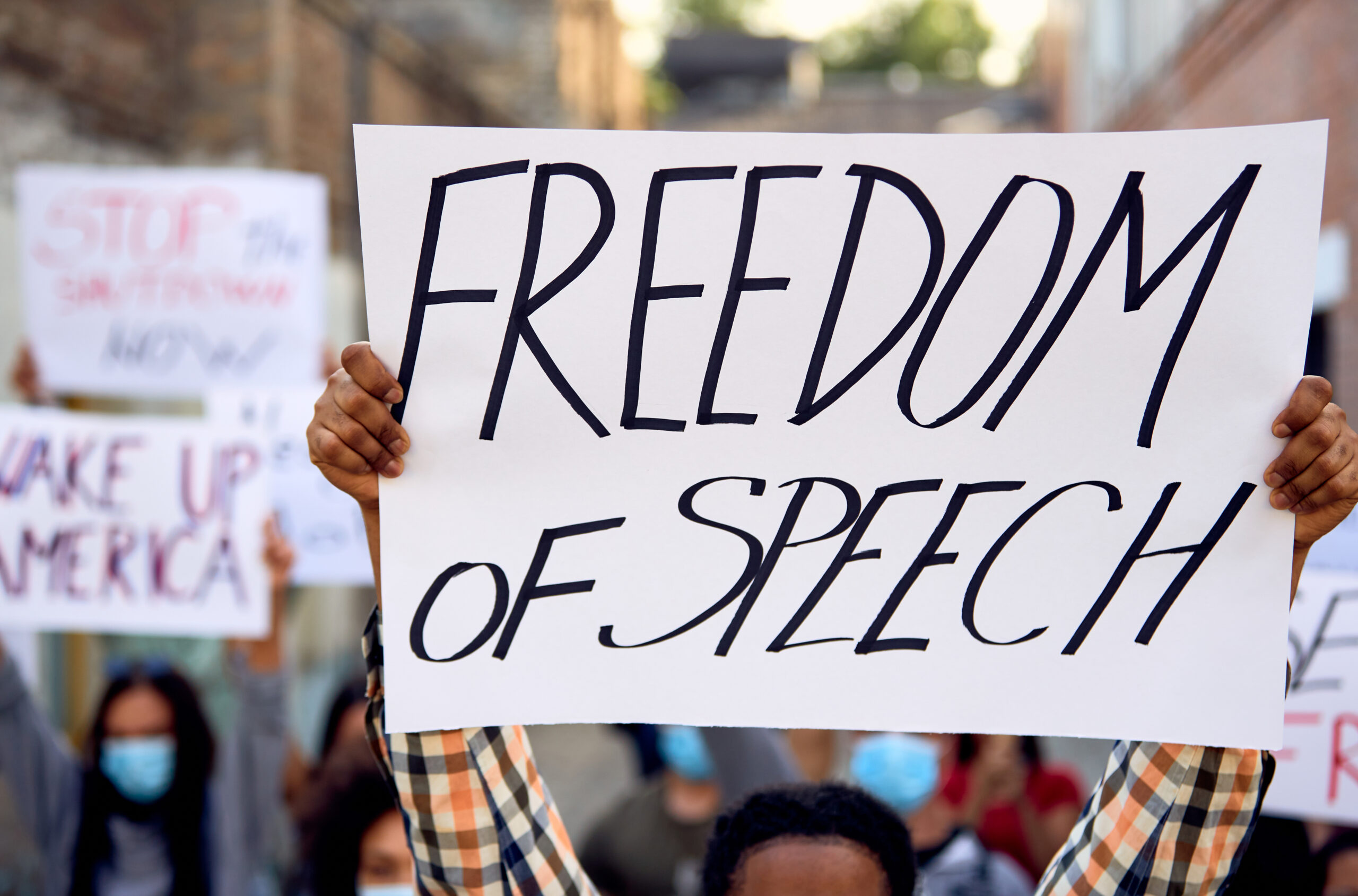
Just imagine…
You’re a young adult in the United States; it’s election year, and for the first time, you get to vote. You aren’t sure you can trust main-stream media. After all, it isn’t just middle-aged and older adults who distrust the media. According to a survey done by SKEMA Business School, young adults also share a deep, widespread distrust in traditional media. You begin researching and following different social media pages so that you can be kept up to date with all things that could impact your voting decisions. At first, this is really exciting.
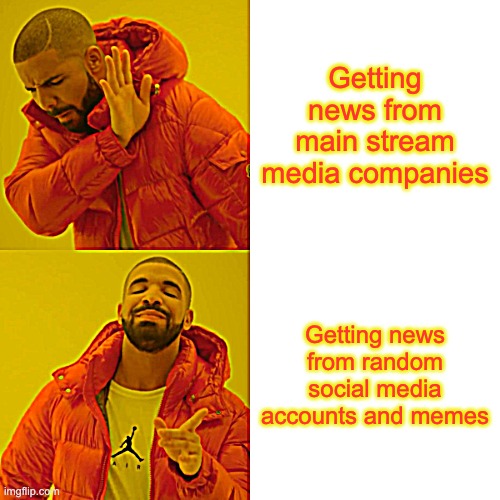
However, as time goes on, you start to realize that not everything is adding up. There is some entertaining information, some conflicting information, and some information that is incredibly concerning. You aren’t sure what to believe.
Through the magic of social media algorithms, you begin to notice a shift in the content you are seeing. Everything makes sense, and you agree with almost everything that’s in your feed. This makes you feel good. You start sharing posts from people you know and trust without researching the content. You are starting to feel incredibly confident in your beliefs, and you can’t imagine how anyone else could believe in anything else. You’ve found your place in the political world, you are comfortable in the social media community, and you have become more active in sharing and commenting.
And then someone comments on a post you shared. They have included facts from trusted sources that dispel the theory that you wholeheartedly believe. As it turns out, you’ve been caught in a whirlwind of conspiracy theories, and your bubble just burst. Your world starts crashing down. You are overcome with emotion.
You’re not alone.
According to a 2017 analysis of government survey data by University of Oxford and University of Liverpool researchers, more than a quarter of the American population believes there are conspiracies “behind many things in the world.”
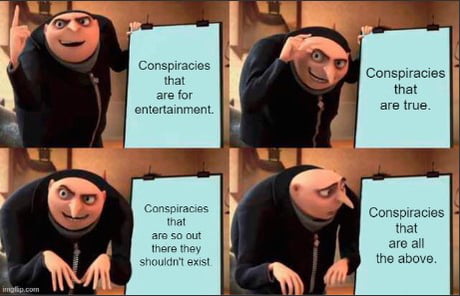
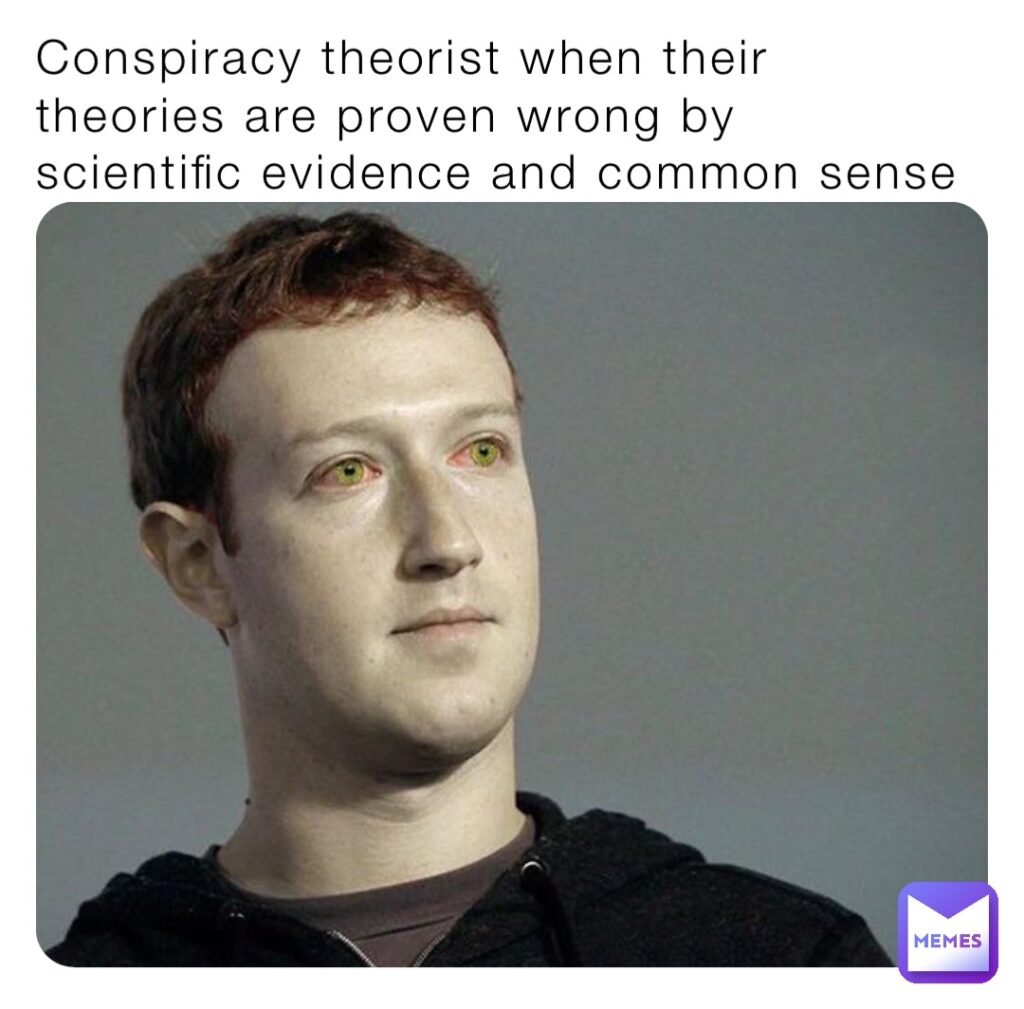
I thought I was so smart…
how did this happen?
Social media plays a significant role in getting conspiracy theories in front of people who might be susceptible to them.
Beliefs in conspiracy theories and misinformation, while often lacking a factual basis, can lead to various detrimental real-world outcomes, including a lack of trust in media and governmental bodies and the instigation of violent or extremist actions.
Social media plays a detrimental role in the spread of conspiracy theories because people are able to surround themselves and confirm their beliefs without opposition in a sort of echo chamber. This can be dangerous, as this approval encourages the spread of misinformation among an audience with shared beliefs. Many believe that social media algorithms compound societal issues by tailoring content to users’ preferences.
This infographic outlines the four stages of how conspiracy theories can escalate on social media. It’s important to familiarize yourself with this information to help prevent yourself from getting caught up in the conspiracy theory black hole.
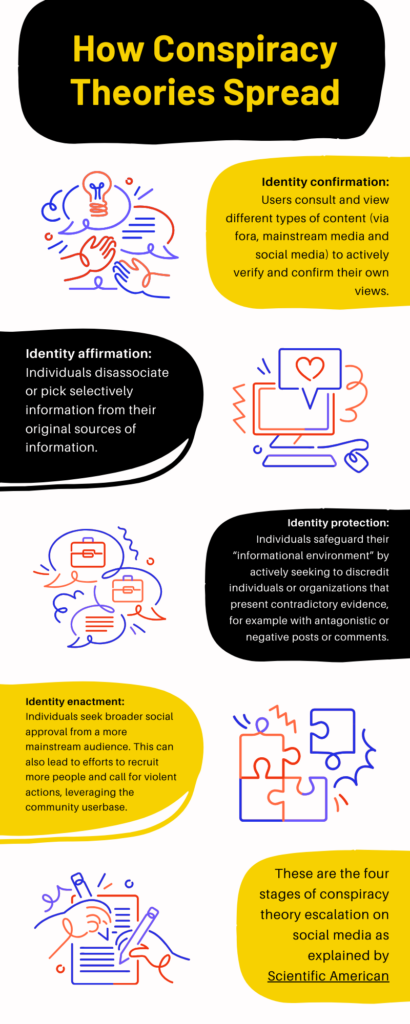
According to Science Daily, “previous research has shown that people gravitate toward conspiracy theories that affirm or validate their political views.” There is no data to specify a political party being more easily influenced by conspiracy theories, but people are influenced based on their existing beliefs and emotions. We don’t base all our beliefs and opinions on flawless reasoning and exhaustive research. This explains why about half of the American public consistently endorses at least one conspiracy theory.
Knowledge is power!
The Brookings Institution found that “YouTube’s recommendation algorithm does not lead the vast majority of users down extremist rabbit holes, although it does push users into increasingly narrow ideological ranges of content in what we might call evidence of a (very) mild ideological echo chamber.” Being aware of this type of behavior is an important step in identifying and learning to avoid the conspiracy theory rabbit hole.
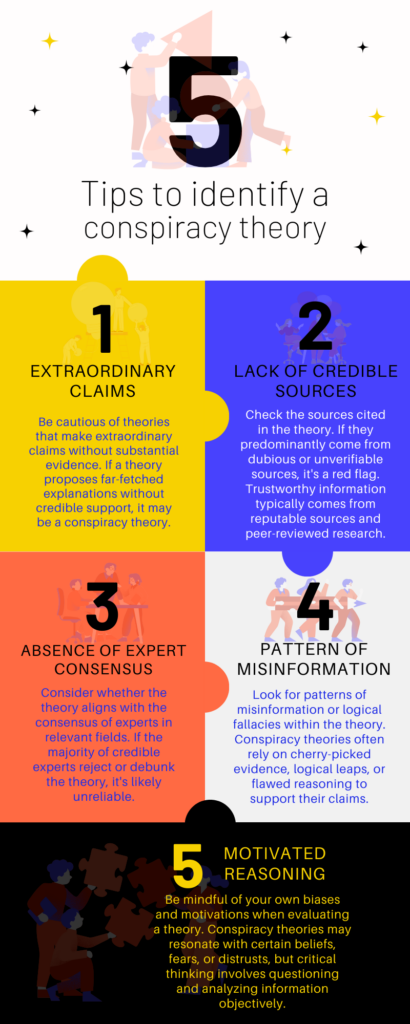
As a young adult navigating an election year in the United States, it’s crucial to recognize the tactics employed to lure you into believing conspiracy theories. While it may not be feasible to extensively research every piece of information you encounter, becoming familiar with the insights shared here can empower you to identify and resist conspiracy theories more effectively. By honing your critical thinking skills and staying vigilant against manipulation tactics, you can safeguard yourself from being ensnared by misinformation during this critical period.